


Heat Pump Maintenance: Essential Checklist
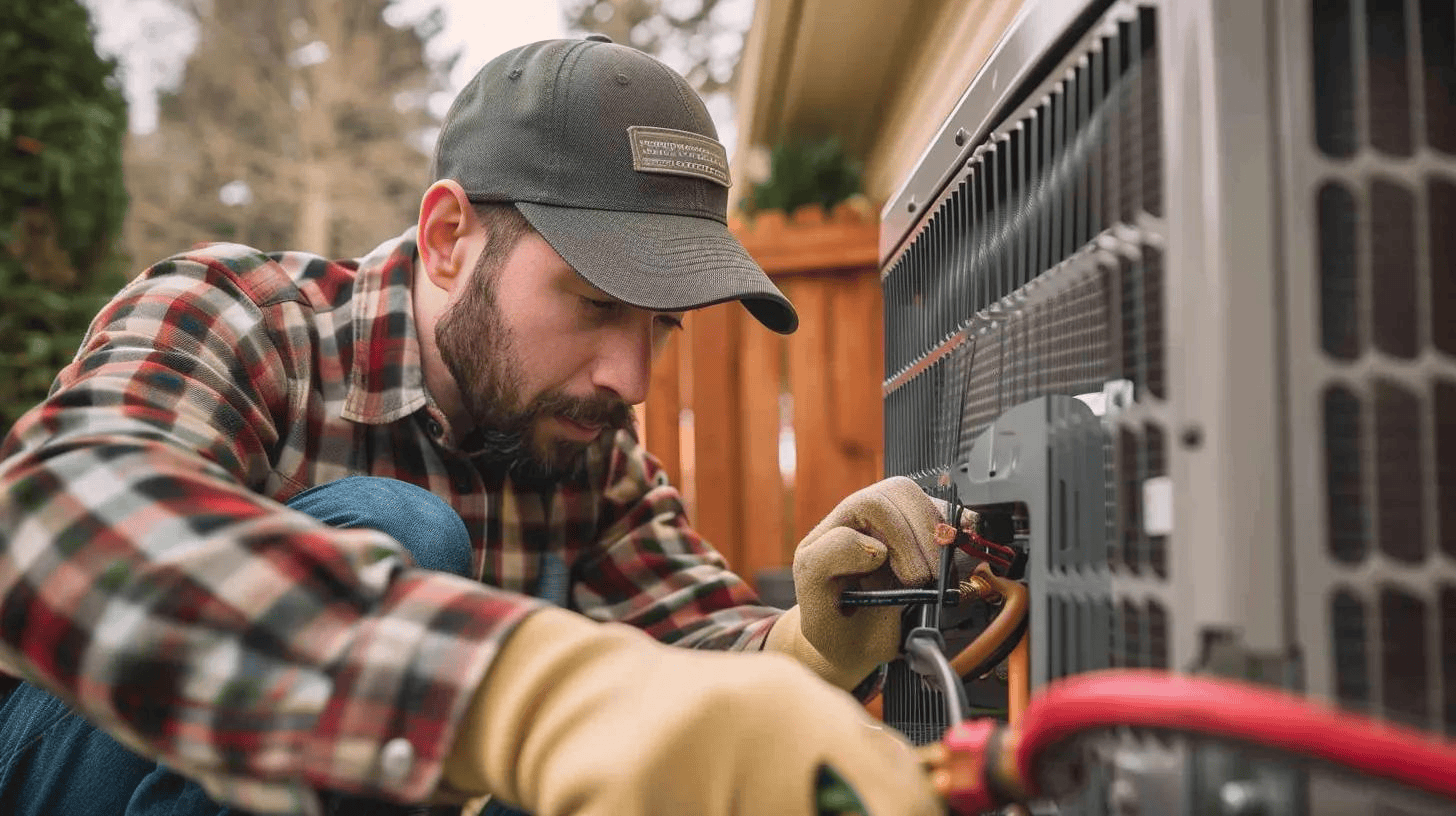
Heat Pump Maintenance Checklist: Essential Guide for Efficient and Reliable Heat Pump Care
Maintaining a heat pump is not just a recommendation; it's a critical investment in your home's comfort, energy efficiency, and the longevity of your heating and cooling system. This comprehensive guide will provide you with an essential checklist for heat pump maintenance, helping you understand the profound importance of regular upkeep and the specific tasks involved. Many homeowners, unfortunately, overlook the significance of routine maintenance, often leading to decreased efficiency, unexpected breakdowns, and significantly higher energy costs. By diligently following this guide, you will gain the knowledge and confidence to keep your heat pump running smoothly year-round, recognize when to schedule professional services, and fully grasp the myriad benefits of preventative maintenance. We will delve into the overarching importance of regular maintenance, present a detailed checklist for both DIY and professional tasks, offer practical scheduling recommendations, provide seasonal care tips tailored to different times of the year, highlight common problems that can be easily avoided, and discuss cost considerations to help you budget effectively for your heat pump's care.
Why Is Regular Heat Pump Maintenance Crucial?
Regular heat pump maintenance is absolutely essential for a multitude of reasons that directly impact your home and wallet. It not only significantly enhances the operational efficiency of the system, ensuring it consumes less energy to heat or cool your home, but also dramatically extends its lifespan, delaying the need for costly replacements. Furthermore, consistent maintenance plays a vital role in improving indoor air quality by preventing the buildup of dust, allergens, and mold within the system. By proactively investing time and a modest amount of resources into maintenance, homeowners can realize substantial savings on energy costs, avoid the inconvenience and expense of emergency repairs, and enjoy a consistently comfortable living environment.
What Are the Benefits of Preventative Heat Pump Maintenance?
Preventative maintenance offers numerous tangible benefits that contribute to a more comfortable, efficient, and cost-effective home environment, ensuring your heat pump performs optimally for years to come:
- Cost Savings on Repairs: Regular check-ups allow trained technicians to identify minor issues, such as loose connections, worn belts, or low refrigerant levels, before they escalate into major, expensive repairs. Addressing these small problems early can prevent catastrophic system failures and save you hundreds, if not thousands, of dollars in emergency service calls and component replacements.
- Increased Efficiency: A well-maintained heat pump operates at its peak performance, meaning it uses less energy to achieve your desired indoor temperature. Clean coils, unobstructed airflow, and properly charged refrigerant levels ensure the system doesn't have to work harder than necessary, leading to noticeable reductions in your monthly energy bills. Studies consistently show that neglected systems can consume significantly more energy.
- Enhanced Comfort: Consistent maintenance ensures that your heat pump provides reliable and consistent heating and cooling throughout your home. By preventing uneven temperatures, frequent cycling, and unexpected breakdowns, preventative care helps maintain a stable and comfortable indoor environment, regardless of the weather outside. You can trust your system to deliver comfort when you need it most.
- Extended System Lifespan: Just like a car, a heat pump that receives regular servicing will last much longer than one that is neglected. Preventative maintenance reduces wear and tear on critical components, ensuring they function correctly and are not overstressed. This proactive approach can add several years to your heat pump's operational life, maximizing your initial investment.
- Improved Indoor Air Quality: Regular filter changes and professional coil cleaning remove accumulated dust, pollen, pet dander, and other airborne contaminants from your system. This directly contributes to cleaner, healthier air circulating throughout your home, which is particularly beneficial for individuals with allergies or respiratory sensitivities.
How Does Maintenance Improve Heat Pump Efficiency and Comfort?
Maintenance plays a critical and multifaceted role in improving heat pump efficiency and comfort levels by ensuring all components work in harmony and without obstruction. Regular servicing ensures that vital components such as air filters, evaporator coils, and condenser coils are meticulously clean. Clean filters allow for optimal airflow, preventing the system from struggling to pull air through clogged pathways. Similarly, clean coils facilitate efficient heat exchange; dirty coils act as insulators, forcing the compressor to work harder and longer to achieve the desired temperature, thereby consuming more energy. This not only significantly reduces energy consumption but also enhances the overall comfort of your home by providing consistent temperatures and better humidity control. Furthermore, professional checks ensure that refrigerant levels are correct, electrical connections are secure, and moving parts are properly lubricated, all of which contribute to smooth, quiet, and efficient operation. Industry studies and manufacturer data consistently show that well-maintained systems can operate up to 15% to 25% more efficiently than neglected ones, significantly impacting energy bills and providing a more reliable comfort experience.
What Does a Comprehensive Heat Pump Maintenance Checklist Include?
A truly comprehensive heat pump maintenance checklist encompasses a blend of accessible DIY tasks that homeowners can confidently perform themselves and essential professional services that should be scheduled regularly with certified technicians. This dual approach ensures all aspects of your heat pump, both visible and internal, receive the attention they need for optimal performance and longevity.
Which DIY Heat Pump Maintenance Tasks Can Homeowners Perform?
Homeowners can take several proactive and relatively simple steps to maintain their heat pumps, contributing significantly to their system's efficiency and preventing minor issues from escalating. These tasks require minimal tools and can be performed safely:
- Changing Air Filters: This is perhaps the most crucial DIY task. Air filters prevent dust, dirt, and allergens from entering your heat pump's indoor unit and circulating throughout your home. A dirty filter restricts airflow, forcing your system to work harder and consume more energy. It is recommended to replace or clean disposable filters every 1-3 months, or even more frequently if you have pets, allergies, or live in a dusty environment. Always use the correct size and MERV rating specified by your manufacturer.
- Cleaning Outdoor Units: The outdoor unit (condenser) is exposed to the elements and can accumulate a significant amount of debris, including leaves, grass clippings, dirt, and even pet hair. This debris can block airflow over the coils, reducing the unit's ability to dissipate or absorb heat efficiently. Periodically, gently clear away any visible obstructions from around the unit and use a garden hose (on a gentle setting) to rinse off the coils and fins. Ensure the unit is turned off at the thermostat and the outdoor disconnect switch before cleaning.
- Checking Thermostat Settings: Regularly verify that your thermostat is functioning correctly and is set to the desired temperature and mode (heat, cool, auto). Ensure it's not set to "fan only" inadvertently. Consider upgrading to a programmable or smart thermostat to optimize energy usage and schedule temperature changes automatically, further enhancing efficiency and comfort. Also, check the batteries in your thermostat annually.
- Inspecting Drain Lines: The condensate drain line removes moisture collected during the cooling process. If this line becomes clogged with algae or debris, it can cause water to back up, potentially leading to leaks, water damage, and even system shutdown. Periodically check the drain pan for standing water and, if accessible, pour a cup of distilled vinegar down the condensate drain line to prevent algae growth.
- Keeping Vents and Registers Clear: Ensure that all supply and return air vents and registers inside your home are unobstructed by furniture, curtains, or rugs. Blocked vents restrict airflow, leading to uneven heating or cooling and making your heat pump work harder. Regularly vacuum or dust these vents to maintain optimal air distribution.
What Professional Tune-Up Services Are Essential for Heat Pumps?
While DIY tasks are important, professional tune-up services are absolutely crucial for maintaining the long-term efficiency, reliability, and safety of heat pumps. These services involve specialized tools, knowledge, and access to internal components that homeowners typically cannot or should not handle. Essential professional services include:
- Refrigerant Level Checks and Recharge: The refrigerant is the lifeblood of your heat pump, responsible for transferring heat. Ensuring the refrigerant is at the correct level is vital for optimal performance. A professional technician will check the pressure and charge, identify any leaks, and recharge the system if necessary. Low refrigerant can drastically reduce efficiency, increase energy consumption, and potentially damage the compressor.
- Electrical System Inspections: A thorough inspection of all electrical components, including wiring, connections, capacitors, and contactors, is critical for safety and performance. Loose connections can cause arcing and fire hazards, while failing capacitors can prevent the motor from starting. Technicians will tighten connections, test components, and ensure proper voltage and amperage, preventing potential failures and ensuring safe operation.
- Deep Cleaning of Components: Professionals can access and deep clean internal components that homeowners may not reach, such as the evaporator coil, condenser coil (if not already done by homeowner), and blower motor. They use specialized cleaning agents to remove stubborn grime, mold, and mildew that can accumulate on coils, which significantly improves heat transfer and airflow. A clean blower motor ensures efficient air circulation throughout your ductwork.
- Lubrication of Moving Parts: Motors and fans within the heat pump system often have bearings that require lubrication to operate smoothly and quietly. Technicians will apply appropriate lubricants to reduce friction and wear, preventing premature component failure and reducing operational noise.
- Ductwork Inspection and Sealing: Leaky ductwork can account for significant energy loss, as conditioned air escapes before reaching your living spaces. Professionals can inspect your ductwork for leaks, disconnections, and proper insulation, sealing any gaps to ensure maximum efficiency and even temperature distribution throughout your home.
- Thermostat Calibration: A professional can calibrate your thermostat to ensure it accurately reads and controls the temperature, preventing your system from running unnecessarily or failing to reach desired set points.
- Safety and Performance Testing: Technicians will perform a series of diagnostic tests to assess the overall health and performance of your heat pump, including temperature split checks, airflow measurements, and safety control tests. This ensures the system is operating within manufacturer specifications and identifies any potential issues before they become major problems.
Further insights into comprehensive heat pump servicing and fault finding are highlighted in academic research, emphasizing the importance of a structured approach to maintenance.
Heat Pump Servicing & Fault Finding Checklist
Pre-installation requirements; Installation materials and methods; Filling, flushing and testing; Setting to work and commissioning; Heat pump servicing and fault finding.
Residential heat pump installations: the role of vocational education and training, 2016
When and How Often Should You Schedule Heat Pump Maintenance?
Scheduling regular maintenance is not merely a suggestion; it's a strategic imperative for keeping your heat pump in peak condition, ensuring its reliability, and maximizing its operational lifespan. Understanding the optimal frequency and timing for these services is key to proactive care.
Why Is Bi-Annual Maintenance Recommended for Heat Pumps?
Bi-annual maintenance is strongly recommended for heat pumps because, unlike traditional furnaces or air conditioners, heat pumps operate year-round, providing both heating in colder months and cooling in warmer months. This continuous operation subjects the system to more wear and tear, making twice-yearly check-ups essential. Scheduling maintenance in the spring (before the cooling season) and in the fall (before the heating season) allows technicians to thoroughly inspect, clean, and tune the system to prepare it for the specific demands of the upcoming season. This proactive approach ensures that the heat pump operates at maximum efficiency during peak heating and cooling periods, preventing unexpected breakdowns when you rely on your system the most. Regular bi-annual checks can also help identify any minor issues early, allowing for timely repairs that prevent more significant and costly problems down the line, ultimately saving you money and discomfort.
How to Perform Seasonal Heat Pump Care for Optimal Performance?
Seasonal care is a proactive and highly effective strategy for maintaining the efficiency, reliability, and longevity of your heat pump throughout the year. By tailoring your maintenance efforts to the specific demands of each season, you can ensure your system is always prepared for optimal performance, whether it's battling summer heat or winter cold.
What Are Key Spring and Summer Heat Pump Maintenance Tasks?
As the weather transitions from cool to warm, your heat pump shifts its primary role to cooling. Focusing on these tasks during spring and summer will ensure it's ready to handle the heat efficiently:
- Cleaning Outdoor Units Thoroughly: After the winter months, the outdoor unit can accumulate a significant amount of leaves, twigs, dirt, and other debris. It's crucial to remove any visible obstructions from around the unit and gently rinse the condenser coils and fins with a garden hose. Ensure the power is off before cleaning. This improves airflow and heat dissipation, which is vital for efficient cooling.
- Checking Refrigerant Levels (Professional Task): While homeowners can't check refrigerant levels themselves, scheduling a professional tune-up in the spring allows a technician to verify that refrigerant levels are adequate for optimal cooling performance. Low refrigerant can severely impair cooling capacity and increase energy consumption.
- Inspecting and Replacing Air Filters: With increased use during warmer months, air filters can quickly become clogged. Replace or clean filters monthly or bi-monthly to maintain optimal airflow and indoor air quality. A clean filter is paramount for efficient cooling and preventing strain on the system.
- Inspecting Condensate Drain Line: During cooling operation, the heat pump removes humidity from the air, producing condensate. Check the drain pan for standing water and ensure the condensate drain line is clear of blockages. Pouring a cup of distilled vinegar down the line can prevent algae growth and potential water leaks.
- Testing Thermostat Operation: Verify that your thermostat is accurately reading the temperature and switching between cooling and fan modes correctly. Test different temperature settings to ensure the system responds appropriately.
Conclusion
Regular heat pump maintenance is essential for maximizing efficiency, extending system lifespan, and ensuring a comfortable living environment. By following the comprehensive checklist provided, homeowners can proactively address minor issues before they escalate, ultimately saving on costly repairs and energy bills. Embrace the value of routine care to enjoy a consistently reliable heating and cooling experience year-round. Start your maintenance journey today by exploring our expert services and resources tailored to your heat pump needs.
Customer Testimonials
Service Areas
