

Furnace Tune-Up Checklist: What a Fall Maintenance Visit Should Include (and What It Costs)
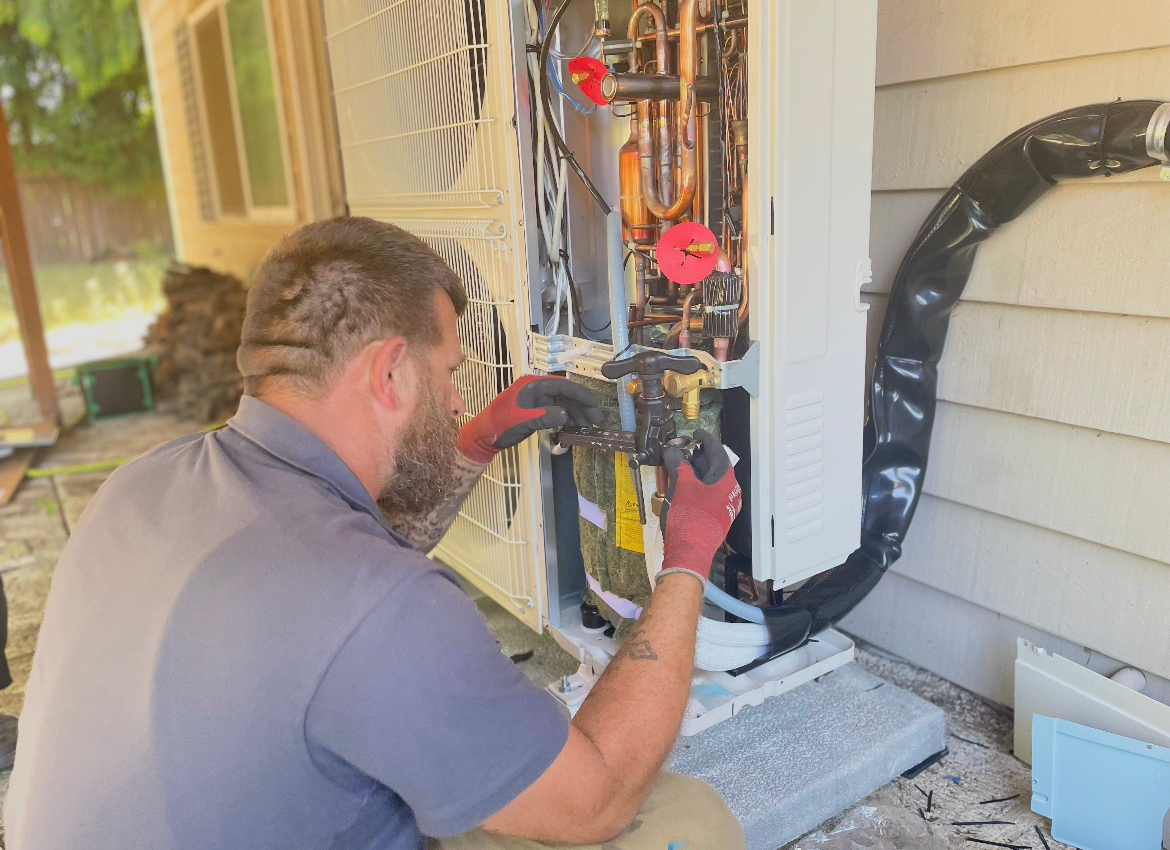
The first cold morning of the year is when most furnaces get their annual test. The thermostat clicks, the blower spins up, and the house fills with that faint dusty smell for a few minutes. Most of the time it settles down and runs fine until April.
Some years it doesn't. The furnace that was fine in March has been sitting for six months, and the first real call for heat is when a dirty flame sensor or a tired igniter decides to show itself, usually on a weekend.
A fall tune-up is the way to find that stuff in October instead of January. Here's the furnace maintenance checklist a thorough tune-up should follow, how long it takes, how often you need one, and what it costs.
What is a furnace tune-up?
A furnace tune-up is a once-a-year inspection, cleaning, and safety check performed by a licensed technician before the heating season. The technician cleans the parts that get dirty, tests the parts that wear out, checks the heat exchanger and venting for carbon monoxide risk, and runs the system through a full heating cycle to confirm it starts, heats, and shuts off the way it should.
The words vary from company to company. Tune-up, maintenance visit, furnace service, precision check. What matters is the list of things that get done, which is why we put ours in writing below.
Furnace maintenance checklist: what the visit should include
If a company shows up, swaps the filter, and leaves in fifteen minutes, that was a filter change. A tune-up takes longer and covers a lot more. A thorough gas furnace visit covers most or all of the following.
- Replace or inspect the air filter. The single most important item on the list, and the one that causes the most trouble when it gets skipped. A clogged filter starves the furnace of air and can make it overheat.
- Test the thermostat. Confirm it is calling for heat correctly, that the furnace responds, and that the temperature it reads matches the room.
- Inspect the heat exchanger. This is the safety item. The technician looks for cracks, rust, and hot spots in the metal that separates the flame from the air you breathe.
- Clean the burners. Dust and rust on the burners cause a lazy, uneven flame and wasted gas.
- Clean the flame sensor. A thin rod that tells the furnace the burners actually lit. When it gets coated with buildup, the furnace lights, runs for a few seconds, and shuts down. This is one of the most common no-heat calls we get in November.
- Check the igniter. Hot surface igniters wear out over time. The technician inspects it and measures its resistance to catch one that is close to failing.
- Inspect and clean the blower assembly. The blower wheel collects dust, which throws it out of balance and reduces airflow. The technician also checks the motor's amp draw and, on belt-driven units, the belt.
- Test the safety controls. The limit switch, pressure switch, and rollout switches are what shut the furnace down when something is wrong. Each one gets tested.
- Check gas pressure and connections. The gas valve and manifold pressure are checked against the manufacturer's spec, and every connection is tested for leaks.
- Inspect the flue and venting. Exhaust has to leave the house. The technician checks the vent pipe for corrosion, loose joints, and proper slope, and on high-efficiency furnaces makes sure the intake and exhaust are clear.
- Clear the condensate drain and trap. High-efficiency furnaces produce water. If the drain or trap clogs, the pressure switch usually won't close and the furnace refuses to light.
- Tighten electrical connections and test the capacitor. Loose wires heat up, and on furnaces with a standard blower motor, a weak capacitor makes it struggle on startup.
- Measure temperature rise. The difference between the air going into the furnace and the air coming out tells the technician whether airflow is right. Too high usually means a restriction somewhere.
- Test for carbon monoxide. A combustion analysis confirms the furnace is burning clean, and a CO reading at the supply air and around the furnace confirms nothing is getting into the house.
- Run a full cycle. Start, heat, shut off. Listen for noises, watch the flame, check that the blower turns off after the burners do.
That is fifteen items, and a good technician moves through them without rushing. If you want to know what you are paying for, ask for the checklist before the visit.
Heat pump maintenance checklist for fall
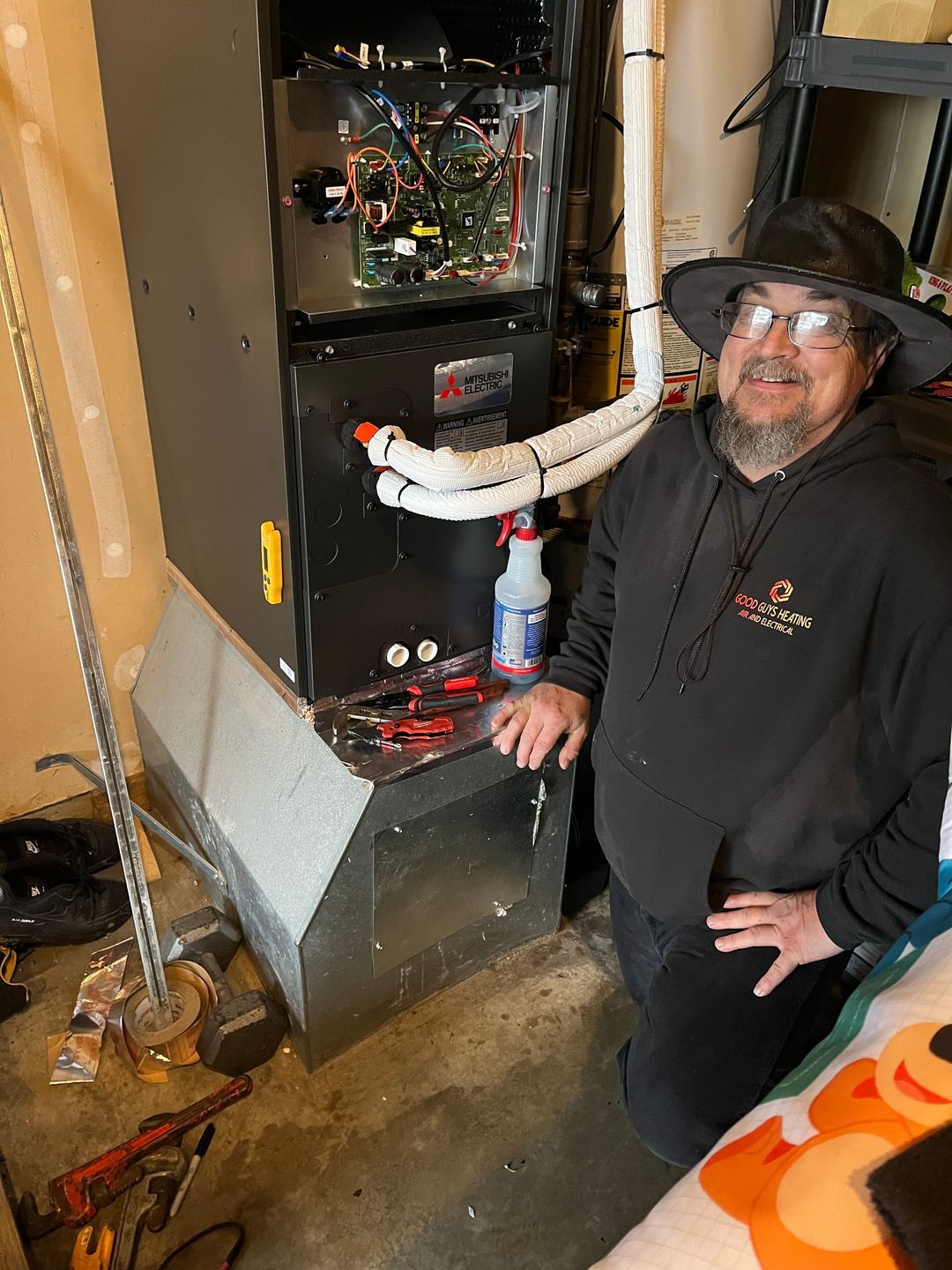
If your home heats with a heat pump, the fall visit looks a little different because the equipment works year-round. Everything on the indoor side still applies (filter, blower, thermostat, electrical, drain), and the technician adds the outdoor and refrigerant items.
- Clean the outdoor coil. Fir needles, leaves, and cottonwood fluff pack into it over the summer and choke airflow.
- Check refrigerant pressures. Low charge is a quiet reason a heat pump "works" but can't keep up once it gets cold.
- Test the defrost cycle and reversing valve. A heat pump that can't defrost in our damp cold ices up and leans on backup heat until it's fixed.
- Check the backup heat strips and their amp draw. These are the expensive heaters inside the air handler, and you want to know they work before the first 25-degree morning.
- Test the capacitor and contactor at the outdoor unit. Both are cheap parts that shut the outdoor unit down when they fail.
- Confirm the thermostat is set to HEAT, not EM HEAT. We see this one a lot after a cold snap, when someone flipped it on and forgot. We explain the difference in what EM heat means on your thermostat.
Because a heat pump runs in both seasons, it gets two visits a year, one in the fall for heating and one in the spring for cooling. That is why our heat pump plan is structured the way it is.
How long does a furnace tune-up take?
Plan on about an hour to ninety minutes for a gas furnace that has been maintained regularly. A heat pump visit is similar. If it is the first time the system has been serviced in years, or the blower needs a proper cleaning, it can run closer to two hours.
Anything well under an hour is worth asking about. There's no way to get through the list above in twenty minutes.
How often should you tune up a furnace?
Once a year for a gas furnace, ideally in September or October before the first cold snap, when schedules are still open. Twice a year for a heat pump, fall and spring.
Between visits, the filter is the one thing that needs attention. Check it monthly during heating season and replace it every one to three months depending on the filter type, pets, and how dusty the house gets. If you have a whole-home filtration system like the one in our Clean Air Kit, the schedule is longer, and we will tell you what it is.
How much does a furnace tune-up cost?
Around Puget Sound, a one-time furnace tune-up from a licensed company usually runs somewhere between $100 and $250. The spread comes down to how much of the list above is actually done, whether a filter is included, and whether the company is upfront about the price before the visit.
The other way to pay for it is a maintenance plan, which spreads the cost over the year and adds a few things a one-time visit does not. We have a $19.99 annual plan for gas furnaces and a $29.99 twice-yearly plan for heat pumps. Both include the tune-up visit, a filter change, priority booking when something does go wrong, $89 service calls during business hours, a flat $179 after-hours rate, 10% off repair parts, and a lifetime warranty on any system we install. If you'd rather not commit to a plan, we also offer a free maintenance reminder, which we compare in maintenance plan versus maintenance reminder.
A dirty flame sensor caught in October costs nothing beyond the visit. The same flame sensor on a Saturday night in January is an after-hours service call, and if the house got cold enough to worry about pipes, it is a lot more than that.
What you can do yourself between tune-ups
None of this replaces the professional visit, but all of it helps.
- Change the filter on schedule, and write the date on the edge of the new one.
- Open every supply and return vent, and move furniture and rugs off them.
- Keep two to three feet of clear space around the furnace. Paint cans and cardboard boxes don't belong there, and neither does the cat litter.
- Switch the thermostat to HEAT in early October and let it run a cycle before you actually need it.
- Listen on that first run. Booming, squealing, rattling, or a clicking that does not stop are worth a call.
- Test your carbon monoxide detectors and replace the batteries.
- If you have a heat pump, keep the outdoor unit clear of leaves and needles, and never stack anything on top of it.
Signs your furnace is overdue for service
- The heating bill climbed and you did not change the thermostat.
- The furnace starts, runs a few minutes, and shuts off, over and over (short cycling).
- The burner flame is yellow or orange instead of mostly blue.
- Some rooms are warm and others never catch up.
- A burning smell that lasts past the first hour of the season.
- It's been more than a year, or you can't remember the last visit.
If any of those sound familiar, the tune-up may turn into a small repair. Still cheaper than waiting for it to fail. We walk through the most common no-heat causes in what to check when your furnace will not turn on.
Frequently asked questions
Is a furnace tune-up worth it?
For a gas furnace, yes, mostly for the safety check. A cracked heat exchanger or a venting problem isn't something you can see from the outside, and the efficiency and reliability gains come along with it. For a brand new system, the tune-up also keeps the manufacturer's warranty in good standing, since most warranties require proof of annual maintenance.
Can I do a furnace tune-up myself?
You can do the homeowner items: filter, vents, clearance, thermostat, and detectors. The combustion analysis, gas pressure check, heat exchanger inspection, and electrical testing take tools and training, and getting them wrong is a safety problem rather than a comfort problem. Leave those to a licensed technician.
Does skipping maintenance void the warranty?
It can. Most manufacturers require annual professional maintenance to keep the parts warranty valid, and they can ask for service records when a claim comes in. We cover this in more detail in how skipping HVAC maintenance can cost you your warranty.
When is the best time to schedule a furnace tune-up?
Early fall, before the first cold week. By mid-November every heating company in Snohomish County is running on no-heat calls, and tune-ups get pushed. September and October are the easy months to get the time you want.
Getting on the schedule
Our technicians have been installing and servicing furnaces, heat pumps, and boilers around Snohomish County for decades, and the fall tune-up is the visit we like best because it is the one that keeps the phone from ringing in January. We work out of our shop in Everett, and we serve the whole county plus north King County.
Call (425) 496-7300 to book a furnace tune-up or ask about the maintenance plan. We'll tell you what we found and what, if anything, needs attention. A lot of the time the answer is that everything looks good and we'll see you next fall.
Customer Testimonials
Service Areas
