


Understand How Furnace Types Affect Repair Costs in Seattle
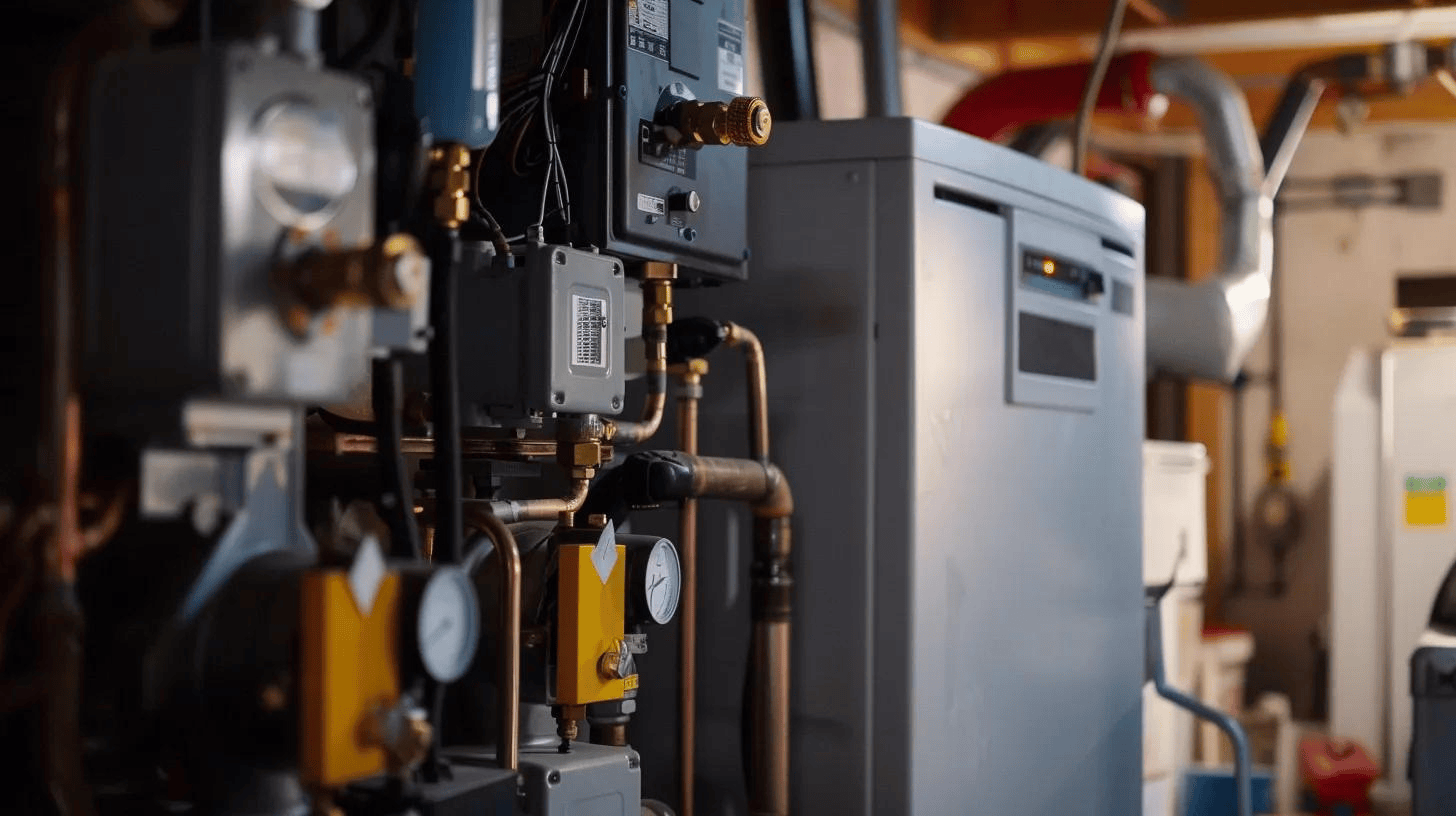
How Different Furnace Types Impact Repair Costs in Seattle: What Homeowners Need to Know
Seattle homeowners who compare furnace repair costs quickly find that the type of furnace drives both the frequency and price of service calls. Different furnace types—electric, gas, oil, and modern condensing systems—have distinct components such as heat exchangers, ignition systems, and blowers that influence parts costs, labor time, and safety inspections. Understanding these mechanisms helps you estimate likely repair expenses and determine whether a repair or replacement makes more financial sense for your home. This article explains common furnace types in the Seattle market, shows typical repair cost ranges, maps the primary cost drivers that technicians and parts supply constraints create, and outlines a decision framework for repair vs replacement. You’ll also find practical cost-saving maintenance steps and type-specific guidance so you can reduce surprise expenses and prioritize safety during the colder months.
Seattle’s local labor rates, seasonal demand, parts availability, and permitting considerations all interact with furnace type to shape final invoices. Throughout the piece we use semantic relationships—parts (meronyms) such as blower motors and control boards, broader categories (hypernyms) like home heating systems, and related entities such as diagnostic fees and warranty status—to keep the guidance actionable. Expect clear comparisons, EAV tables for quick scanning, and practical checklists for homeowners who want to minimize costs without sacrificing safety or efficiency. The following sections cover common furnace types and their repair differences, oil furnace specifics, when to repair versus replace, the key cost factors homeowners should watch, and maintenance strategies tailored to each furnace type.
What Are the Common Furnace Types in Seattle and Their Repair Cost Differences?
Common furnace types in Seattle include electric furnaces, gas furnaces (including condensing models), oil furnaces, and alternatives such as heat pumps; each type has predictable repair profiles driven by component complexity and fuel system needs. Electric furnaces typically have fewer combustion-related parts, which reduces safety-related diagnostic time, while gas and oil systems require combustion analysis, venting checks, and more complex burner or valve parts. Condensing gas furnaces add condensate management and secondary heat exchangers that raise parts and labor costs when they fail. Comparing these systems by common failure modes helps homeowners anticipate both common repairs and broader cost differences when scheduling service.
The following table summarizes typical repairs and broad Seattle cost ranges to help homeowners scan differences at a glance.
This table highlights how electric systems tend to fall at the lower end of the parts complexity curve, while fuel-handling systems (gas, oil, condensing gas) commonly produce higher diagnostic and repair costs. Understanding that fuel delivery and combustion components increase both safety procedures and parts costs leads into type-specific repair cost patterns detailed next.
How Do Electric Furnaces Affect Repair Expenses in Seattle?
Electric furnaces tend to simplify repair pricing because they lack combustion components; repairs usually involve electrical parts such as the blower motor, control board, and relays, and therefore avoid gas-safety inspections. Common failures are motor burnout, capacitor or relay issues, and control board faults, which are often diagnosable quickly and sometimes replaceable on-site. Labor time is generally lower than combustion systems because no gas shutoff or combustion analysis is required, but specialty electronic parts or control boards can still raise parts cost. In Seattle, typical electric furnace repairs commonly fall in the $150–$700 range depending on part rarity and diagnostic fees, which makes electric units comparatively straightforward to maintain.
These lower-complexity repairs also mean preventive maintenance—basic electrical checks and airflow management—has a clear payoff in reduced service calls, which leads to the next section contrasting gas-furnace costs and safety-driven pricing.
What Are Typical Repair Costs for Gas Furnaces in Seattle?
Gas furnace repairs are often driven by combustion-related components and safety protocols, which increases both diagnostic time and parts pricing when compared to electric units. Common issues include failed igniters, faulty gas valves, cracked heat exchangers, and malfunctioning safety switches; addressing these often requires combustion testing and pressure or leak checks, so technicians allocate more time per visit. In Seattle, service calls for gas furnace repairs commonly range from about $200 for simple ignition fixes to $1,200 or more for heat exchanger repairs or gas valve replacements, with safety inspections sometimes bundled into the service. Because gas parts and safety checks raise the labor component, homeowners should expect higher minimums for gas-furnace service compared with electric systems.
Understanding that safety procedures add time and cost helps homeowners prioritize early detection and routine tune-ups to avoid expensive emergency repairs, which ties into how oil systems compare next.
How Does Oil Furnace Repair Pricing Compare to Other Types in Seattle?
Oil furnaces present unique cost patterns in Seattle because they combine mechanical fuel-delivery parts with combustion systems and seasonal supply considerations. Repair work commonly involves the burner assembly, fuel pump, nozzle, and tank/line checks; these components are mechanical and can wear unpredictably. Additionally, oil systems sometimes incur higher parts costs or longer lead times for specialized components, and seasonal demand can spike service fees. Compared with electric furnaces, oil repairs are usually more involved and costly; when compared to gas, oil system costs can be similar or higher depending on the specific failure and parts scarcity.
Below is an explanation of the core cost drivers for oil furnaces and strategies to manage them, followed by a direct cost-comparison discussion.
What Factors Influence Oil Furnace Repair Costs in Seattle?
Oil-furnace repair costs are influenced by several oil-specific factors: burner nozzle and pump wear, fuel filter clogging, tank condition, and the need for combustion adjustment. Mechanical wear on pump and nozzle assemblies can create sudden failures that require part replacement and calibration, which drives parts and labor costs. Seasonal patterns—higher call volume in cold months—also increase labor rates and scheduling delays, while fuel supply disruptions can indirectly affect service timing. Proactive maintenance such as annual burner tune-ups, filter replacement, and fuel tank inspection reduces the most common oil-related failures and helps smooth seasonal cost spikes.
These oil-specific factors often make maintenance the most cost-effective way to limit expensive emergency repairs, which we contrast to electric and gas cost profiles in the next subsection.
When Should Seattle Homeowners Consider Furnace Repair Versus Replacement?
Deciding to repair or replace a furnace requires balancing repair cost, remaining useful life, efficiency losses, and safety risks; a clear threshold rule-of-thumb is essential for Seattle homeowners.
A commonly used decision rule is that if a single repair costs more than about 50% of a replacement unit’s net installed cost, or if the unit is near or past its expected lifespan with recurring failures, replacement is usually the more economical long-term choice.
Additionally, repeated breakdowns, progressive efficiency losses (higher energy bills), or safety-related failures (e.g., cracked heat exchanger) shift the recommendation toward replacement.
Considering local repair ranges and the specific furnace type helps homeowners apply this framework to their situation.
The following decision table maps common scenarios to repair versus replace pros and typical cost considerations to simplify homeowner choices.
This decision framework clarifies threshold criteria such as repair cost relative to replacement and the importance of frequency and age in the final choice.
For homeowners who are uncertain about these calculations, getting a professional inspection can clarify remaining life and repair feasibility.
Service providers listed by their online presence—such as Good Guys Heating, Air and Electrical—offer diagnostic inspections and estimates that quantify repair versus replacement trade-offs. A professional inspection will typically include diagnostic testing, component condition evaluation, and a transparent estimate that compares repair cost to expected savings from improved efficiency. Scheduling an inspection when you're weighing repair vs replacement helps translate the decision table above into numbers specific to your home and furnace type.
What Are the Cost Benefits of Repairing vs Replacing a Furnace?
Repairing a furnace usually offers immediate cash savings and preserves existing investment, while replacing a furnace can provide long-term savings through higher efficiency and lower maintenance frequency. Short-term benefits of repair include lower upfront expense and minimal disruption, which make sense if the unit has ample expected remaining life and the repair is minor. Long-term benefits of replacement include improved AFUE (efficiency), reduced repair frequency, and warranty coverage for new components—these translate into energy bill reductions and lower lifetime maintenance costs. A simple ROI check compares projected energy savings from a new high-efficiency unit against the combined cost of replacement and remaining operational expenses of the old unit.
Considering the long-term financial implications, evaluating the cost-effectiveness of furnace maintenance and repair is crucial for homeowners.
Gas Furnace Maintenance & Repair Cost-Effectiveness
Cost-effectiveness is then evaluated in terms of cost of central air conditioners and gas furnaces. The resulting potential appropriate standards, including: maintenance and repair costs,
Cost-effectiveness of high-efficiency appliances in the US residential sector: A case study, MA McNeil, 2012
Using lifecycle thinking helps homeowners decide: if frequent repairs or efficiency losses lead to higher cumulative spending than replacement plus energy savings, replacement is usually the fiscally responsible option. That assessment is influenced by furnace type, which we explore next.
What Are the Key Factors That Impact Furnace Repair Costs in Seattle?
Several universal cost drivers determine final repair pricing in Seattle: age and condition, brand and model, parts scarcity, labor rates and accessibility, warranty coverage, and seasonal demand. Each factor contributes differently—aging increases the likelihood of multiple simultaneous failures, proprietary brands often mean higher OEM part prices, while restricted access to attic- or crawlspace-mounted furnaces increases labor time. Seasonal peaks in late fall and winter boost demand and can raise rates or extend wait times. Understanding these drivers enables homeowners to anticipate cost impacts and time service calls strategically.
This mapping helps homeowners prioritize which factors to address—such as scheduling off-season tune-ups or considering aftermarket part options—when seeking to minimize repair costs.
How Do Age and Condition of Furnace Influence Repair Expenses?
As furnaces age, components like bearings, heat exchangers, and control boards experience cumulative wear that increases both the frequency and severity of repairs. Older units often suffer from corrosion, brittle wiring insulation, and part obsolescence that make repairs more expensive and time-consuming, and recurring fixes can indicate systemic decline rather than isolated failures. Frequent calls for the same issues are a signal that replacement might lower lifetime costs. Regular inspections help detect age-driven failures early and allow homeowners to compare the projected cost of continued repairs against replacement with a clearer financial picture.
Recognizing the escalation pattern of age-related failures also informs when to prioritize replacement for safety and efficiency reasons, not just immediate cost savings.
What Role Does Furnace Brand and Model Play in Repair Pricing?
Brand and model influence repair pricing through OEM part costs, proprietary components, and technician familiarity; premium or uncommon models typically carry higher parts prices and longer wait times for replacements. Some older or discontinued models require scavenging parts or ordering from limited suppliers, increasing cost and lead time. Technician training and diagnostic time also vary by manufacturer; unfamiliar or complex systems can add diagnostic hours. Choosing between OEM and aftermarket parts introduces trade-offs between cost, compatibility, and warranty implications, making brand considerations central to repair budgeting.
Evaluating brand and model before authorizing work helps homeowners make informed choices about parts sourcing, expected turnaround, and potential trade-offs between savings and long-term reliability.
How Can Seattle Homeowners Minimize Furnace Repair Costs Based on Furnace Type?
Homeowners can reduce repair frequency and costs by adopting routine maintenance, targeted seasonal checks, and informed repair choices that vary by furnace type. Preventive strategies include regular filter replacement, annual professional tune-ups, combustion analysis for gas and oil systems, and attention to airflow and condensate lines on condensing furnaces. Proactive maintenance addresses the most common failure modes—such as blower issues, clogged condensate drains, and igniter wear—before they become costly repairs. These measures not only lower the probability of emergency service calls but also help maintain operating efficiency, which reduces energy bills.
Below is a practical maintenance checklist that homeowners can follow to reduce repair costs and preserve system life.
- Change filters regularly: Replace or clean air filters every 1–3 months to maintain airflow and reduce blower strain.
- Schedule annual professional tune-ups: Have a technician inspect burners, heat exchangers, and safety controls before heating season.
- Clear condensate and vents: Ensure condensate drains and outdoor vents are unobstructed to prevent system shutdowns.
- Monitor for unusual noises or smells: Early detection of abnormal sounds or combustion odors prompts timely service and prevents escalation.
Regular maintenance reduces the likelihood of major failures and often lowers overall repair spending by preventing small issues from cascading into expensive problems. For homeowners who prefer hands-off management, professional maintenance plans can provide scheduled service and predictable costs, which is especially helpful for complex fuel systems.
What Maintenance Practices Reduce Repair Frequency and Costs?
Specific maintenance practices—filtration, combustion tuning for fuel systems, blower lubrication, and condensate management—target the most common and preventable failure modes across furnace types. Replacing or cleaning filters regularly prevents blower motor overwork and improves heat transfer, while annual combustion tuning ensures gas and oil systems operate safely and efficiently. Checking seals, venting, and condensate traps before peak season prevents moisture-related failures on condensing units and reduces corrosion risk. These practices, when combined with professional inspections, lower the frequency of emergency repairs and often lengthen service life.
Adopting a seasonal checklist and pairing DIY basics with annual professional checks gives homeowners a balanced, cost-effective approach to maintaining reliable heating performance throughout Seattle winters.
Conclusion
Understanding the impact of different furnace types on repair costs empowers Seattle homeowners to make informed decisions about maintenance and replacement. By recognizing the unique characteristics and cost drivers associated with electric, gas, and oil furnaces, you can better anticipate expenses and prioritize safety. Implementing proactive maintenance strategies can significantly reduce unexpected repair costs and extend the life of your heating system. For tailored advice and professional inspections, connect with local experts today.
Customer Testimonials
Service Areas
