

Service in Seattle, WA
Heating and Electrical Services in Seattle offer 24/7 emergency support, transparent pricing, and preventive maintenance to keep homes safe and efficient. Learn more.
Service in Seattle, WA
Seattle homes face unique heating, cooling, and electrical challenges: damp winters, occasional summer heat, many older houses with legacy wiring, and a growing move toward heat pump and mini-split systems. Our comprehensive HVAC and electrical service offerings are built to resolve urgent failures, optimize year‑round comfort, and keep systems safe and code compliant.
Visit types: diagnostic, repair, maintenance
- Diagnostic visits
- Purpose: identify the root cause of performance problems (no heat, short-cycling AC, tripped breakers, weird odors, etc.).
- Typical process: system inspection, safety checks, basic electrical measurements, refrigerant and airflow checks for HVAC, and a clear written summary of findings and repair options.
- Outcome: a prioritized list of recommended repairs and an estimate for parts and labor.
- Repair visits
- Purpose: correct identified faults—from simple component swaps to multi-hour on-site repairs.
- Typical work: filter changes, thermostat replacement, motor or fan repairs, refrigerant leak repair and recharge, burner or ignition repairs on furnaces, breaker or panel repairs, and outlet or circuit fixes.
- Post-repair: system testing, verification of safe operation, and documentation of work completed.
- Maintenance visits (preventive service)
- Purpose: extend equipment life, improve efficiency, and reduce emergency calls.
- What’s included: cleaning coils, checking refrigerant levels, inspecting heat exchangers and combustion components, tightening electrical connections, testing safety devices, lubricating moving parts, and optimizing controls.
- Recommended frequency for Seattle: heat pumps and AC typically benefit from annual checks; furnaces and air handlers are commonly checked bi-annually (fall and spring) to address both heating and cooling seasons.
24/7 service and emergency response
- Seattle weather and old equipment can create urgent situations—loss of heat during a cold snap, electrical arcing, or water-soaked HVAC components. Emergency service options are available around the clock for critical issues.
- Emergency protocols prioritize safety: initial triage to determine hazards (gas smell, electrical sparking), guidance on steps to make the home safe while help is en route, and rapid on-site diagnosis. Typical emergency responses include restoring safe power, temporarily stabilizing HVAC systems, isolating gas leaks, and recommending permanent repairs.
Common HVAC problems in Seattle homes
- Heat pump performance loss after heavy, wet winters or insufficient annual service.
- Condensate drainage and mold issues from humid conditions and inadequate drainage/maintenance.
- Aging furnaces and uneven heating in older craftsman or multi-zone homes.
- Mini-split refrigerant leaks or communication errors, particularly in retrofit installs.
- Poor indoor air quality related to high humidity and clogged filters.
Common electrical issues in Seattle homes
- Outdated panels and breaker capacity struggles as homes add EV chargers, heat pumps, and modern appliances.
- Tripping breakers and nuisance outages from overloaded or degraded circuits.
- GFCI and AFCI failures in wet or older installations—critical in Seattle’s rainy climate.
- Lighting and fixture replacements for energy efficiency upgrades and safety.
How our technicians diagnose and fix problems
- Initial safety assessment to identify immediate hazards (gas, water, exposed live wiring).
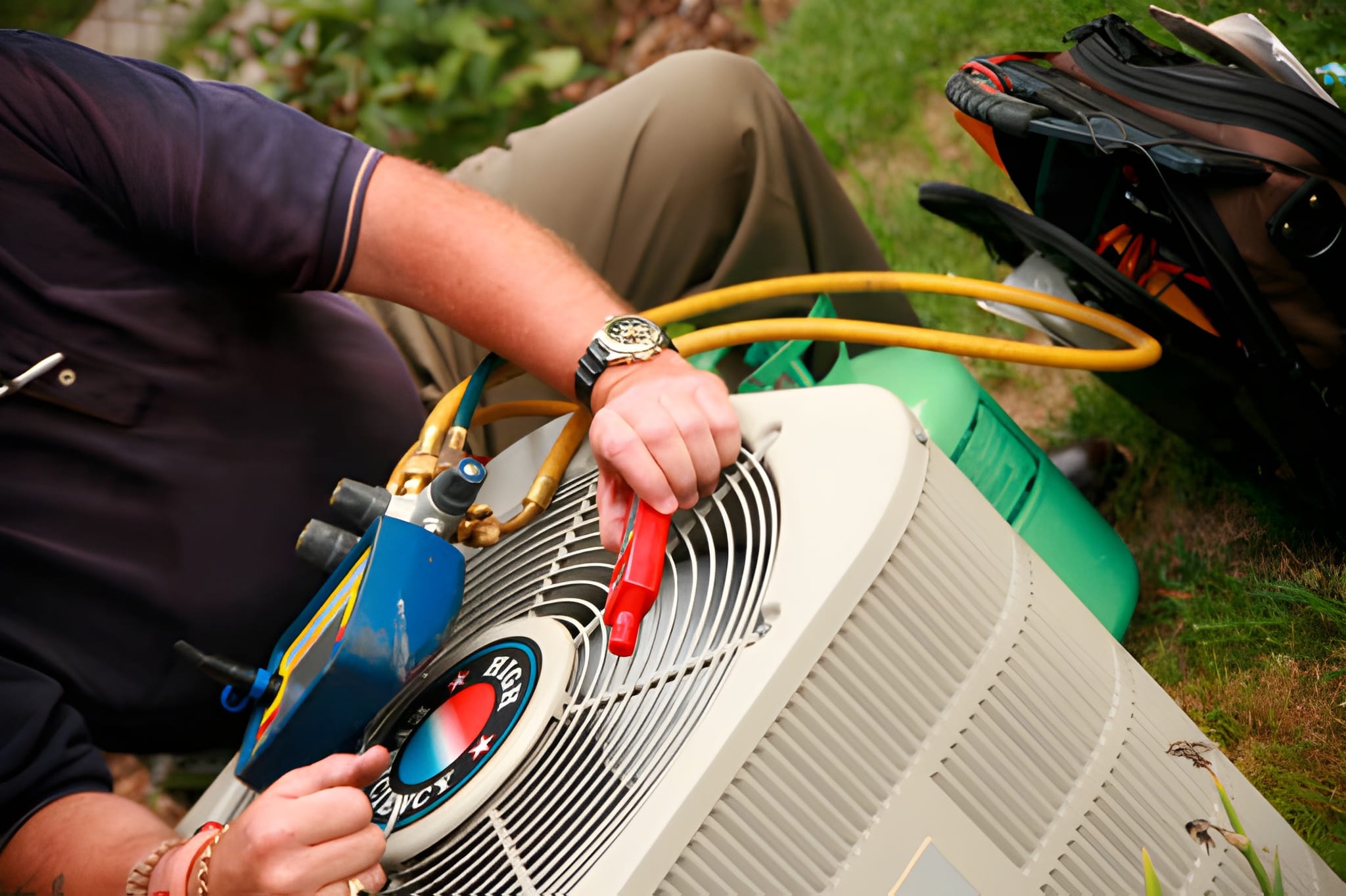
- Systematic inspection and testing using industry tools: multimeters, combustion analyzers (for gas systems), refrigerant gauges, airflow measurements, and digital reporting.
- Clear presentation of options—repair vs replacement, energy efficiency impacts, and long-term cost implications—so homeowners can make informed decisions.
- Execution of repairs or maintenance with manufacturers’ parts when applicable, followed by full system testing.
- Documentation and maintenance recommendations to help preserve warranties and plan future service.
Technician qualifications and safety procedures
- Technicians are licensed for HVAC and electrical work, trained on modern systems (including heat pumps and mini-splits), and follow strict safety protocols. Certifications typically include manufacturer training, EPA refrigerant handling, and ongoing field education.
- Safety procedures include PPE usage, lockout-tagout for electrical work, combustion safety checks, proper refrigerant recovery, and adherence to local codes and permit requirements. Background checks and professional conduct standards are observed to protect homeowner safety and property.
Pricing structure and transparency
- Pricing is structured around the visit type: diagnostics, fixed-rate repairs for common components, and time-and-materials for complex jobs requiring custom work. Estimates are provided in writing after diagnostic assessments so homeowners understand scope, options, and warranty implications before work begins. Financing solutions are often available for larger replacement projects to spread cost over time.
Maintenance plans and long-term value
- Maintenance plans help Seattle homeowners avoid seasonal failures, maintain manufacturer warranties, and keep systems running efficiently despite the region’s damp conditions. Typical plan benefits include scheduled inspections, priority service during peak seasons, preventive tune-ups aligned with fall and spring needs, and documented service records that support resale value.
- For heat pumps and AC: annual visits focus on outdoor unit clearance, refrigerant checks, and airflow optimization. For furnaces and air handlers: bi-annual visits catch combustion or airflow issues before heating season.
Safety guidance while waiting for service
- For gas odor: ventilate the space and leave the property; do not operate electrical switches or appliances.
- For exposed sparking or burning smell: switch off the main breaker if safe to do so and keep clear of the area.
- For no heat in cold weather: seal drafts, layer clothing, and use approved portable heaters following their safety instructions.
Why timely service matters in Seattle
Timely diagnostics and maintenance reduce the risk of mold and moisture-related damage, improve energy efficiency in a region where mild but damp conditions can drive up energy use, ensure electrical systems can safely support modern loads, and protect home value. Preventive care avoids emergency repairs that are often more disruptive and costly.
Practical homeowner tips
- Replace HVAC filters regularly and use the correct MERV rating for your system.
- Keep outdoor units clear of leaves and debris, especially during rainy and windy months.
- Test thermostats and safety devices seasonally.
- Track service records to validate warranties and plan replacements.
Customer Testimonials
Discover why our customers love us through their heartfelt testimonials.
Service Areas
Explore our comprehensive range of services tailored to meet your needs in various locations.
